


Can something profoundly tragic, and seemingly impossible to address, also be very funny?
Yes. Of course it can.
Especially when the tragedy is our current race at full speed towards climate disaster. The absurdity and paradoxes of the situation lend itself so real comical observations, like how sustainability professionals are absolutely terrified of the consequences of the climate crisis, and yet so dissonant when it comes to changing lifestyle, including eating meat, flying across the planet and so on.
Last week I went to see the work-in-progress show “Canary” by climate comedian Stuart Goldsmith.
After having watched the People Emergency Briefing film just the week before, it almost felt wrong.
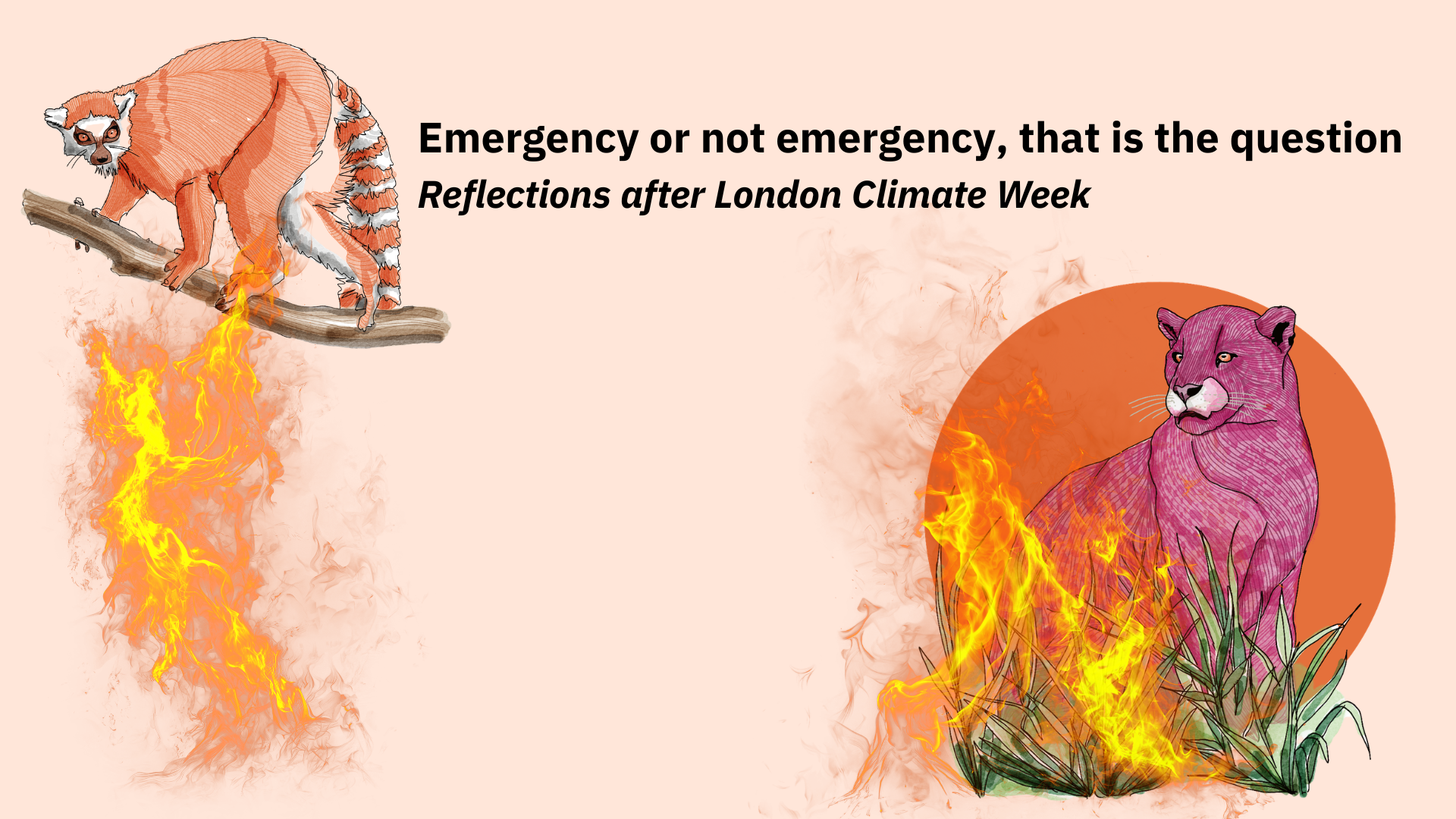
Shouldn’t we cry and scream that our house is on fire??
Shouldn’t we mourn the tragedy that is unfolding in front of our very eyes and warn people of the dire consequences of the collapsing climate ecosystems?
I decided that, after having been shaken by the People Emergency Briefing and feeling terrible for days as a consequence, I wanted to have this completely different experience to reflect upon the situation.
And I loved it.
Comedy comes from observing relatable behaviours in detail and offering them back to the audience so they can see themselves.
But making fun of something that causes millions of deaths every year? Isn’t that outrageous?
Thinking about it, since the Ancient Greeks, tragedy and comedy have been blended to try and represent the complexity of the human soul with more compelling stories.
This show has a lot of that.
There is even a part (slight spoiler alert) in which the audience can share their climate confessions to feel better about themselves: because we all sin, holy father.
Interestingly, what I thought was a big personal failure (having cheese on my pizza instead of adhering strictly to my standard plant-based diet) was laughed off as something a bit ridiculous, like a child who robs sweets from the cupboard (note to self: next time, if you don’t want to be picked on during a show, don’t seat at the front and, most importantly, don’t raise your hand).
So here are my takeaways from this experience:
- No, we don’t need to cry to take the issues seriously. We can do that while laughing together about our shared experiences and fallacies. In fact, this can raise awareness and point the spotlight on them, so we can do something about it.
- Alarmism does not always equal action; in fact, quite the opposite. It can get people to feel disempowered and freeze them into inaction. Not the case with the People Emergency Briefing for me, but nearly… People need to know what their next meaningful step can be, not just to be terrified by the current situation.
- Often, we are doing a lot as individuals, but we just don’t see it because we want, single-handedly, to solve the climate crisis, which is obviously impossible. Often our contribution seems negligible, making us feel like we are not doing enough. But it is when we put in our best effort together with others that results start piling up and showing up over time.
- We need to build our resilience: not just in our cities’ infrastructures, but also our personal resilience, so that we can come together, respond positively to the challenges and have the energy and motivation to keep going. Constant alarms shoot cortisol down our veins and can be seriously harmful for our overall health, making our work as sustainability leaders particularly difficult and us prone to burnout. Laughter can be a wonderful way to develop resilience, lower cortisol, and bring us closer to our fellow humans.
What is your take on this?
What’s your preferred way to talk about the climate crisis?
Leave a Reply